

Your gut is home to trillions of microorganisms, and maintaining a healthy gut microbiome has become an increasingly popular part of everyday wellness. This is one reason prebiotic and probiotic supplements have attracted so much attention.
But with countless products available online and in stores, choosing the right supplement can be confusing. Should you look for the highest CFU count? Is a product with multiple strains automatically better? And what's the difference between a prebiotic and a probiotic?
The answer isn't simply to choose the product with the biggest number on the label.
Different probiotic microorganisms and strains can have different effects, and research doesn't show that every probiotic product provides the same benefits.
Here's what to know before buying a prebiotic or probiotic supplement in the Philippines.
What Are Probiotics?
Probiotics are live microorganisms that may provide health benefits when consumed in sufficient amounts. They can be found in certain fermented foods and are also available as dietary supplements.
Common probiotic groups include Lactobacillus and Bifidobacterium, although other bacteria and yeasts may also be used.
One important detail is often overlooked: probiotics are identified by their genus, species, and strain. Two products may both contain bacteria from the same genus but contain different strains, meaning their researched effects may not be interchangeable.
This is why looking only at the total number of bacteria in a supplement isn't enough.
What Are Prebiotics?
Prebiotics are nondigestible food components that can support the growth or activity of beneficial microorganisms. In simple terms, probiotics provide microorganisms, while prebiotics can provide the type of substrate that certain microorganisms can use.
Prebiotic ingredients can occur naturally in foods and can also be added to supplements.
Some people experience gas, bloating or abdominal discomfort when consuming larger amounts of certain prebiotic ingredients. Individual tolerance can vary.
Prebiotics vs. Probiotics: What's the Difference?
The simplest way to remember the difference is:
|
Prebiotics |
Probiotics |
|
Nondigestible food components |
Live microorganisms |
|
Can support certain microorganisms |
Add specific microorganisms |
|
Found in some foods and supplements |
Found in fermented foods and supplements |
|
Often used to support the existing microbiome |
Intended to provide specific microorganisms |
You may also come across the term synbiotic. Synbiotic products combine probiotics and prebiotics.
What to Look for in a Prebiotic and Probiotic Supplement
When comparing the best prebiotic and probiotic supplements, don't judge products by marketing claims alone. Consider the following factors.
1. Look for Specific Probiotic Strains
A quality label should make it clear which microorganisms are included.
For example, a label may identify a microorganism by its genus, species and strain. This information is more useful than simply seeing a broad claim such as "contains good bacteria."
Research on probiotics is generally strain-specific, so a product containing one type of microorganism shouldn't automatically be assumed to have the same effects as another.
2. Check the CFU Count
CFU stands for colony-forming units. It's commonly used on probiotic labels to indicate the number of viable microorganisms.
You may see products advertised with billions of CFUs per serving. However, a higher CFU number doesn't automatically mean a product will provide greater benefits. The specific microorganisms and strains, as well as the amount used in research, matter too.
Instead of asking, "Which product has the most CFUs?" ask:
- Which strains does it contain?
- Is the amount clearly stated?
- Is the product properly labeled?
- Are storage instructions provided?
- Does the formulation make sense for my needs?
3. Check the Prebiotic Ingredients
If you're specifically looking for a prebiotic and probiotic supplement, check which prebiotic ingredients are included and how much you're getting.
Because some prebiotics can cause bloating or gas, especially at higher doses, it's worth considering your individual tolerance rather than assuming that more is better.
4. Pay Attention to Storage Requirements
Some probiotic products have specific storage requirements.
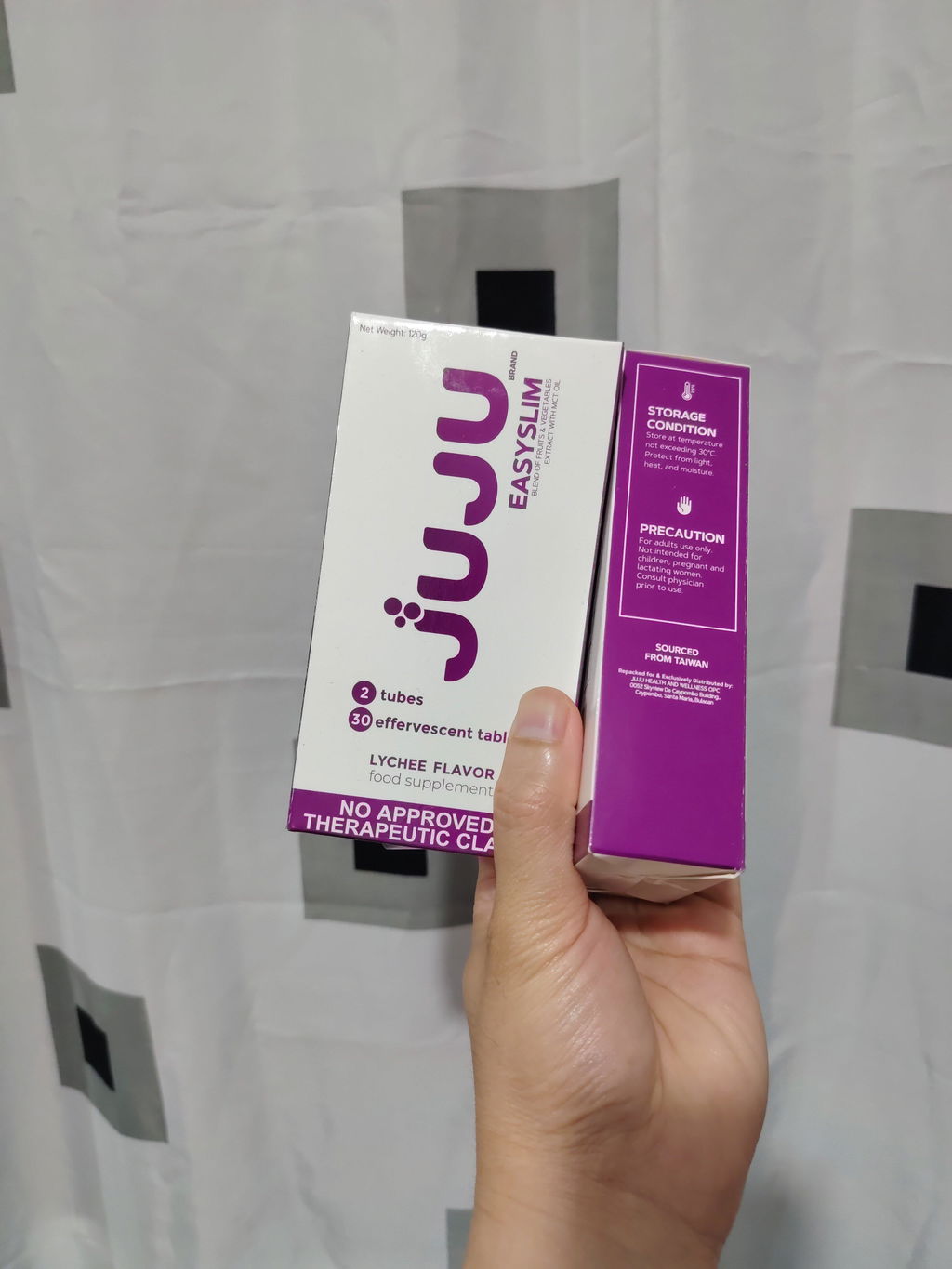
Follow the manufacturer's instructions carefully, particularly if the label says the product should be refrigerated or protected from heat and moisture.
This is especially relevant in the Philippines, where warm temperatures and humidity can make proper storage important for products that have particular storage requirements.
5. Check Product Registration and Label Information
When purchasing supplements in the Philippines, consumers should pay attention to whether the product has the appropriate authorization and labeling.
The Philippine FDA has repeatedly warned consumers about unregistered food supplements and states that products without the proper authorization have not undergone the agency's evaluation process.
The FDA also maintains an online verification system where consumers can check product registration information.
This is particularly important when purchasing supplements through online marketplaces or unfamiliar sellers.
Potential Benefits of Probiotics and Prebiotics
Probiotics are being studied for several health applications, but the evidence isn't equally strong for every condition or every product.
Research suggests that certain probiotic formulations may be useful in specific situations, including some cases of antibiotic-associated diarrhea. However, the effects can vary depending on the microorganism and strain used.
This distinction matters.
A supplement shouldn't be marketed as a cure-all for digestive problems, weight management, skin concerns or other medical conditions simply because it contains probiotics.
The scientific evidence surrounding probiotics is still developing, and researchers continue to study which strains, doses and formulations may be useful for specific purposes.
Are Prebiotic and Probiotic Supplements Safe?
For many healthy people, probiotics have generally been associated with relatively minor side effects, although long-term safety data aren't available for every product or strain.
Some people may experience temporary digestive symptoms such as gas or bloating.
Prebiotics can also cause digestive discomfort when consumed in larger amounts.
However, supplements aren't appropriate for everyone.
People who are seriously ill or have weakened immune systems may face a greater risk of complications from probiotics.
If you're pregnant, taking medication, managing a medical condition, immunocompromised, or considering supplements for a child, speak with a qualified healthcare professional before starting a new supplement.
And if you're experiencing persistent digestive symptoms, don't use a probiotic supplement as a substitute for proper medical evaluation.
How to Choose a Probiotic Supplement in the Philippines
With so many options available, use this simple checklist before buying:
1. Identify your goal.
Are you simply looking to add a probiotic to your routine, or are you trying to address a specific digestive concern?
2. Read the complete label.
Look for the microorganisms or strains, CFU count, serving size, ingredients and storage instructions.
3. Don't automatically choose the highest CFU.
More microorganisms aren't necessarily better. The strains and evidence behind the formulation matter.
4. Consider prebiotics if appropriate.
A combined product may contain both prebiotics and probiotics, but your tolerance for specific prebiotic ingredients should still be considered.
5. Buy from a reputable seller.
Avoid products with unclear labeling, questionable claims or uncertain sourcing.
6. Verify Philippine FDA registration where applicable.
This provides an additional way to check whether a food supplement has the appropriate authorization.
7. Follow the storage instructions.
Proper storage can be important for maintaining product quality.
Most importantly, think about the formulation rather than the marketing headline.
A product advertised as "50 billion CFU" isn't automatically the right choice simply because the number is larger than a competing product.
Frequently Ask Questions
What is the difference between a prebiotic and a probiotic?
Probiotics are live microorganisms intended to provide health benefits when consumed in sufficient amounts. Prebiotics are nondigestible food components that can stimulate the growth or activity of certain microorganisms.
Is a higher CFU probiotic better?
Not necessarily. A higher CFU count alone doesn't guarantee greater benefits. The specific microorganisms and strains in the product also matter.
Can you take prebiotics and probiotics together?
Yes. Products combining the two are commonly called synbiotics. Whether a combined product is appropriate depends on its formulation and your individual needs.
Do probiotics help with digestion?
Some probiotic products may affect digestive function, but benefits vary depending on the specific microorganism and strain. Evidence isn't strong enough to assume that every probiotic supplement will provide the same effects.
Are probiotics safe for everyone?
No supplement is universally appropriate. Probiotics are generally well tolerated by many healthy people, but people with serious illnesses or weakened immune systems may have a higher risk of complications.
What should I check before buying probiotics in the Philippines?
Check the product's ingredients, probiotic strains, CFU count, storage instructions, manufacturer information and applicable Philippine FDA registration or authorization. The Philippine FDA has issued warnings about unregistered food supplements.
Ready to support your daily wellness routine? Explore our carefully selected prebiotic and probiotic supplements and compare ingredients, strains, CFU counts and product details before choosing the right option for you.
Final Thoughts
Finding the best prebiotic and probiotic supplements isn't about choosing the product with the longest ingredient list or the biggest CFU number.
Instead, look at the specific probiotic strains, CFU count, prebiotic ingredients, storage requirements, labeling and product authorization. Most importantly, understand that evidence can differ significantly between probiotic strains and health applications.
For Filipino consumers shopping online, taking a few extra minutes to read the label and verify the product can help you make a more informed purchasing decision.
If you're unsure whether a probiotic or prebiotic supplement is appropriate for you, particularly if you have an existing health condition or take medication, consult a healthcare professional before starting one.