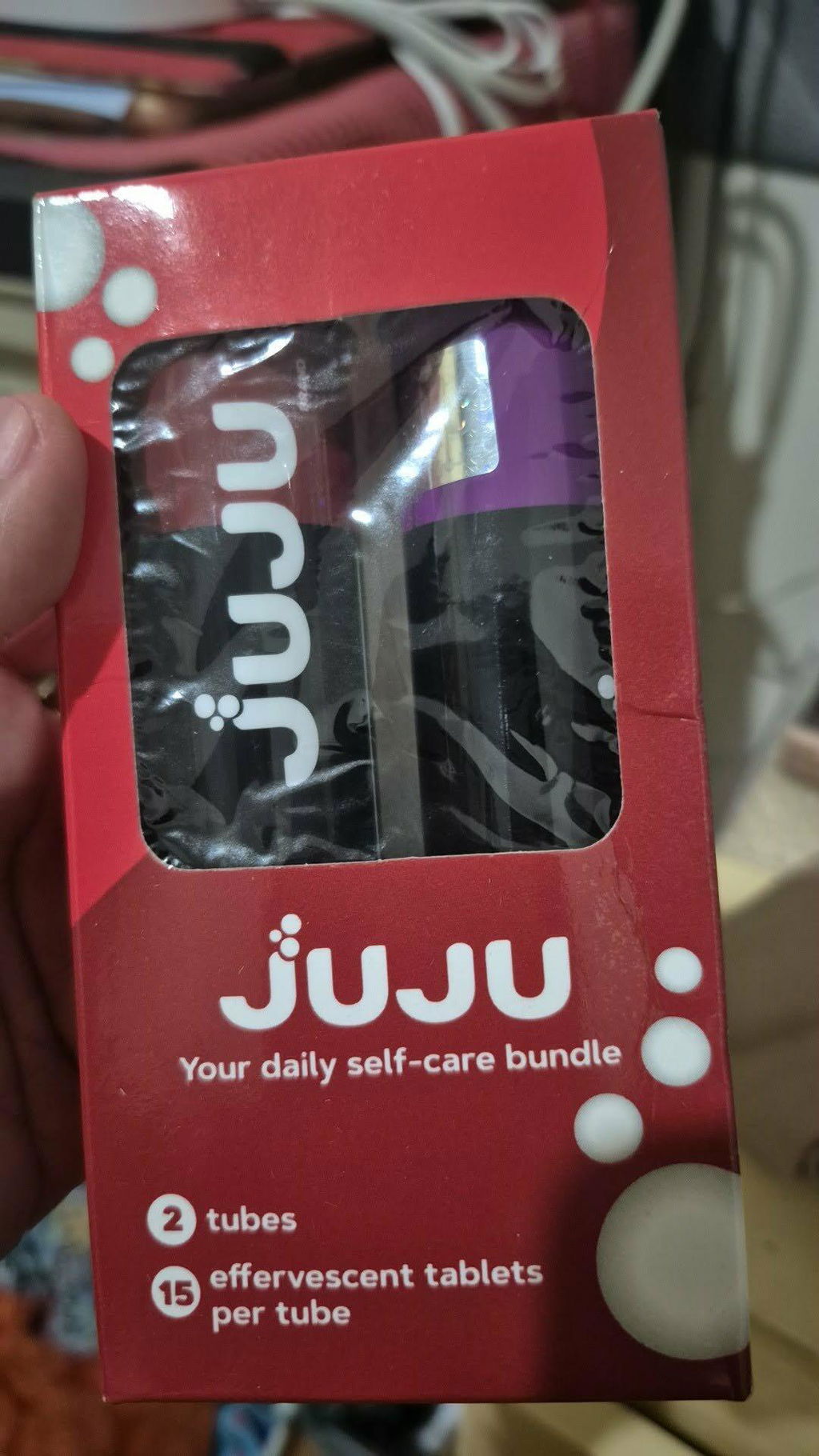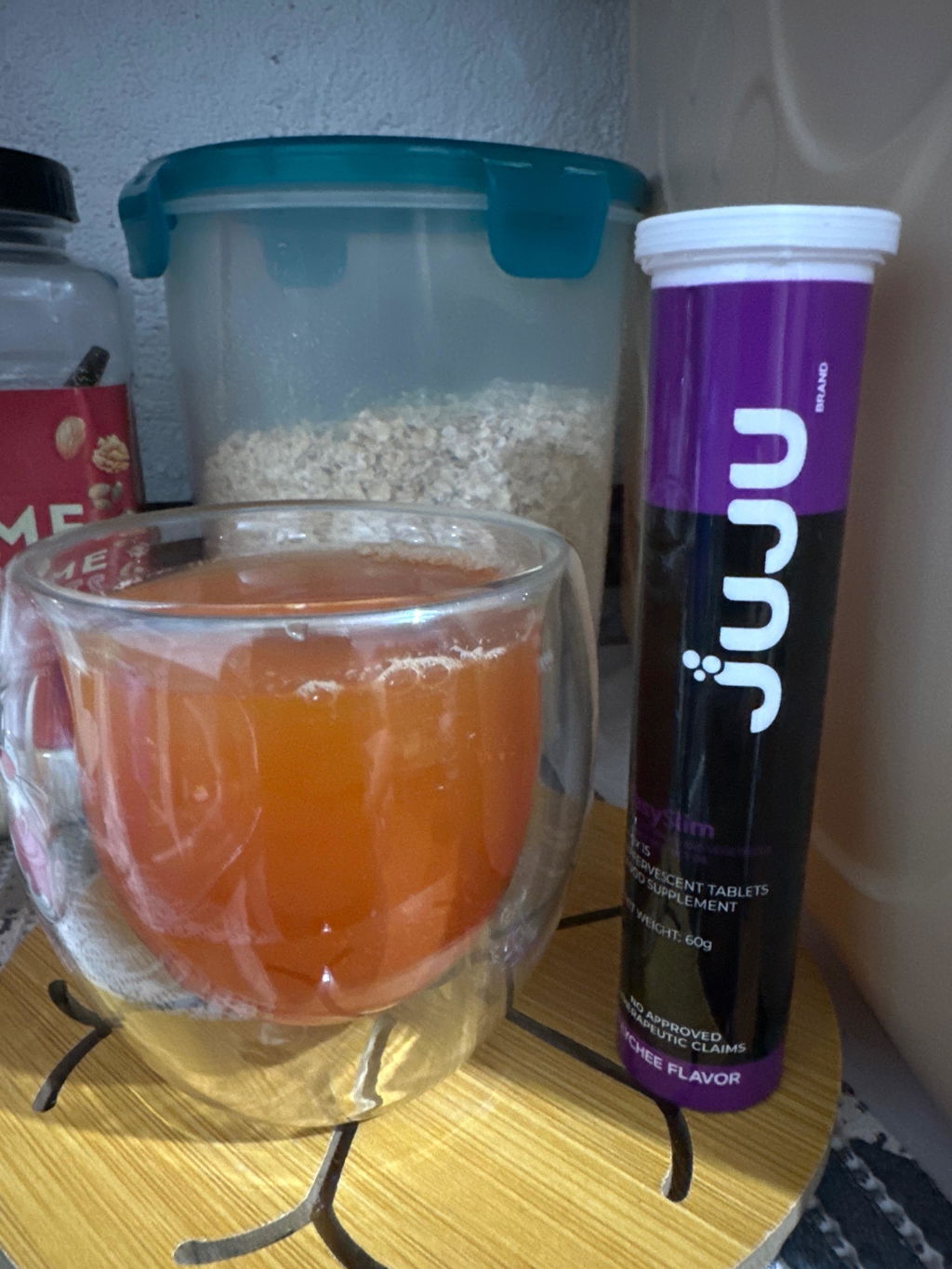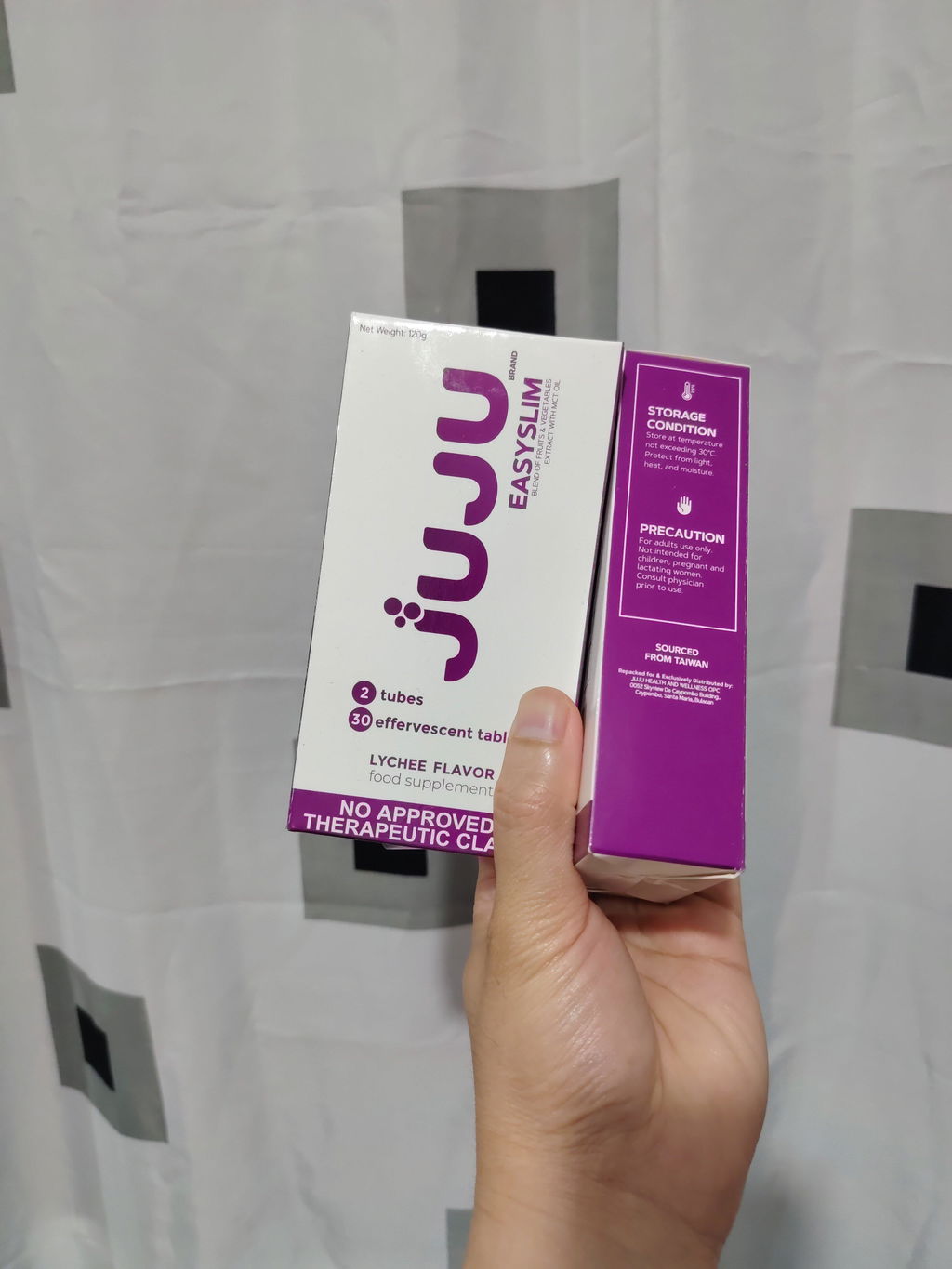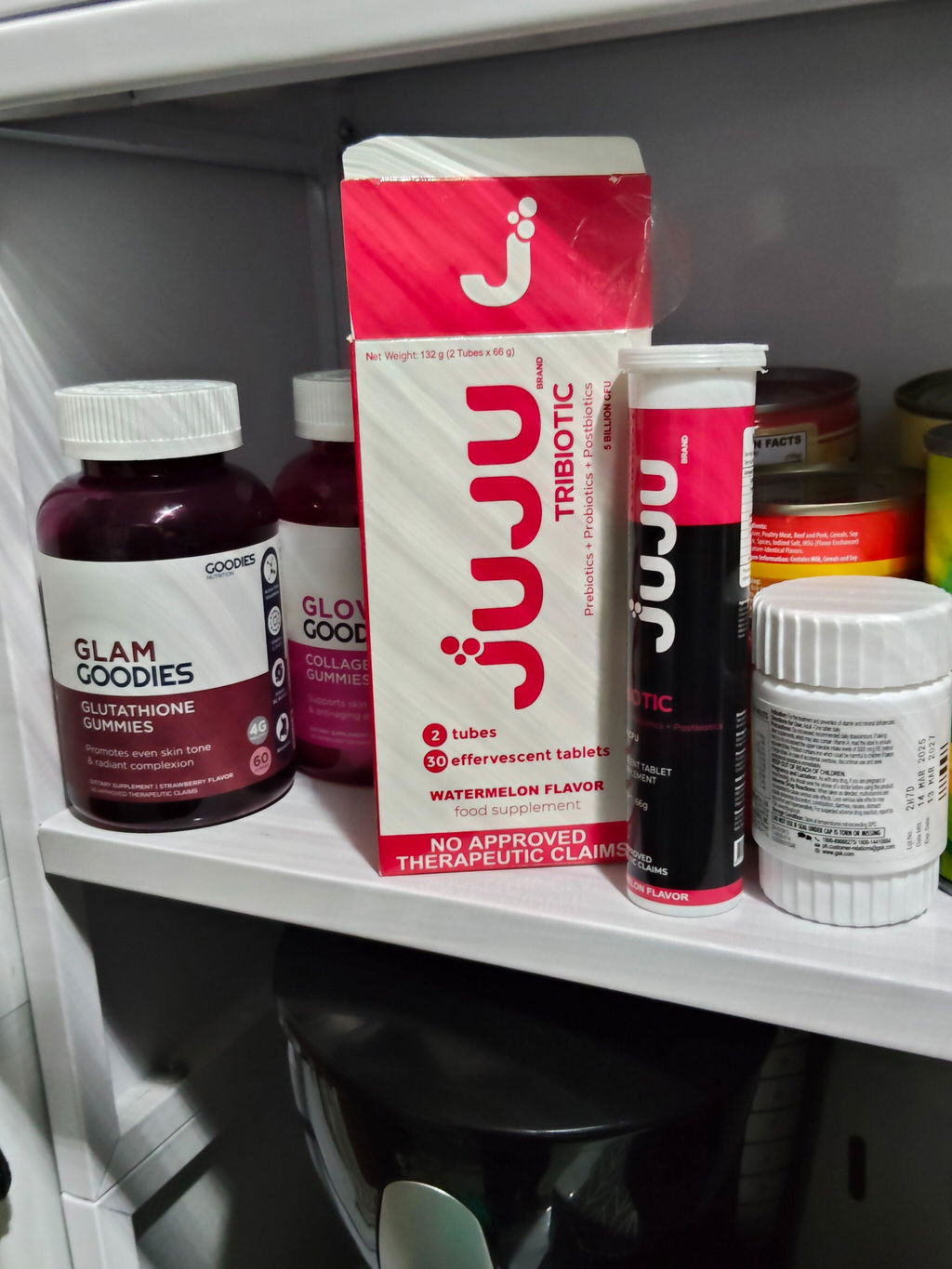


If you’re searching for the best gut health supplements in the Philippines, you’ll quickly find a wide range of probiotics, prebiotics, fiber supplements, digestive enzymes, and combination formulas. But choosing the right product isn’t simply about picking the one with the highest number of capsules or the biggest CFU count.
Your digestive system responds to many factors, including diet, lifestyle, and individual needs. A supplement that works well for one person may not be the right choice for another.
In this guide, we’ll explain what to look for when comparing gut health supplements in the Philippines, the main ingredients to understand, and how to make a more informed purchasing decision.
What Are Gut Health Supplements?
Gut health supplements are products designed to support digestive and gastrointestinal health. Depending on the formula, they may contain probiotics, prebiotics, dietary fiber, digestive enzymes, or other ingredients.
The most common categories include:
- Probiotics – Live microorganisms used in supplements and fermented foods.
- Prebiotics – Types of dietary fiber that can serve as a food source for certain beneficial microorganisms.
- Fiber supplements – Products that can help increase daily fiber intake.
- Digestive enzymes – Enzymes that help break down components of food.
- Combination formulas – Supplements containing multiple ingredients intended to support digestive wellness.
Because these products work in different ways, it’s important to understand what you’re actually buying before choosing one.
What to Look for in Gut Health Supplements in the Philippines
1. Check the Specific Probiotic Strains
If you’re considering a probiotic supplement, don't look only at the word “probiotic” on the label.
Look for the genus, species, and strain when available. Different probiotic strains can have different characteristics and have been studied for different purposes.
For example, a label may identify a microorganism using a format such as Lactobacillus or Bifidobacterium, followed by additional strain information.
A product that clearly identifies its strains gives consumers more information to research than one that simply lists “probiotic blend.”
2. Consider the CFU Count
CFU stands for colony-forming units and is commonly used to indicate the number of viable microorganisms in a probiotic product.
However, a higher CFU number doesn't automatically mean a supplement is better.
When comparing products, consider:
- Which strains are included
- How much of each strain is provided
- Whether the stated CFU amount applies through the expiration date
- How the product should be stored
- Whether the formulation has been studied for its intended use
In other words, quality and formulation matter alongside quantity.
3. Look at the Ingredients and Additives
Read the entire Supplement Facts or ingredients panel before buying.
Some products contain additional ingredients such as prebiotic fibers, vitamins, minerals, sweeteners, flavorings, or herbal ingredients.
This isn't necessarily a problem, but you should know what you're consuming—especially if you have food sensitivities or are already taking other supplements.
A simpler formula can also make it easier to identify which ingredients you tolerate well.
4. Check Storage Requirements
Some probiotic supplements may have specific storage requirements.
Certain products are designed to remain stable at room temperature, while others may recommend refrigeration. Always follow the manufacturer's storage instructions.
This is particularly relevant in the Philippines, where temperatures and humidity can be high.
If you're buying supplements online, also consider how the product is packaged and transported. Proper handling can be important for products containing live microorganisms.
5. Check the Expiration Date
For products containing live microorganisms, the expiration date is particularly relevant.
When shopping online, check whether the seller provides sufficient information about the product's expiration date and storage conditions.
Avoid purchasing products with unclear labeling or missing expiration information.
Probiotics vs. Prebiotics: What's the Difference?
Probiotics and prebiotics are often discussed together, but they are not the same thing.
Probiotics are live microorganisms found in certain foods and supplements.
Prebiotics are dietary components, often specific types of fiber, that can be utilized by microorganisms in the gut.
Some supplements combine both and are marketed as “synbiotics.”
Whether you need a probiotic, prebiotic, fiber supplement, or another type of product depends on your diet and individual circumstances.
For many people, food should remain the foundation of a gut-friendly eating pattern.
What Makes a Good Gut Health Supplement?
There isn't one supplement that can be considered the universally “best” option for everyone.
Instead, look for a product with:
- Clearly identified ingredients
- Transparent labeling
- Specific probiotic strains when applicable
- Appropriate storage instructions
- A visible expiration date
- Clear directions for use
- Reliable manufacturing and sourcing information
- Appropriate regulatory information for products sold in the Philippines
It's also worth considering whether the product actually fits your reason for taking a supplement.
For example, someone looking to increase their dietary fiber intake may have different needs from someone specifically researching probiotic supplements.
Buying Gut Health Supplements in the Philippines
When shopping online, don't evaluate a supplement based solely on marketing claims.
Before placing an order, check:
Product authenticity
Buy from reputable retailers, authorized sellers, or established brands whenever possible. Be cautious with unusually low prices or listings with incomplete product information.
Label transparency
The product page should provide enough information for you to understand what you're buying.
Look for ingredient details, serving information, manufacturer information, expiration details, and storage instructions.
Philippine regulatory information
For supplements sold in the Philippines, consumers can also check relevant information from the Food and Drug Administration (FDA) Philippines.
A product's regulatory status should be considered alongside its ingredients, labeling, and the credibility of the seller.
Customer reviews
Reviews can provide useful information about packaging, delivery, taste, and customer experience. However, individual experiences shouldn't be treated as proof that a supplement will produce the same results for everyone.
Are Gut Health Supplements Safe?
Many people use probiotic and other digestive supplements without serious problems, but supplements aren't automatically appropriate for everyone.
Potential effects can vary depending on the product and individual. For example, some people may experience temporary digestive symptoms such as gas or bloating when introducing certain products.
If you have a medical condition, take medications, are pregnant or breastfeeding, have a weakened immune system, or have persistent or severe digestive symptoms, speak with a qualified healthcare professional before starting a supplement.
A supplement should also not be used as a substitute for medical evaluation when symptoms are persistent or concerning.
Food and Lifestyle Still Matter
Gut health isn't determined by supplements alone.
A balanced diet containing a variety of plant foods can provide dietary fiber and other nutrients that support overall health. Depending on your individual diet, useful foods may include vegetables, fruits, legumes, whole grains, nuts, seeds, and fermented foods.
Other lifestyle factors—including regular physical activity, adequate sleep, hydration, and managing stress—can also contribute to overall well-being.
Think of supplements as one possible part of a broader approach rather than a replacement for healthy habits.
How to Choose the Right Gut Health Supplement
Before buying, ask yourself these five questions:
1. What am I trying to achieve?
Identify your specific reason for considering a supplement.
2. What ingredients does it contain?
Read the complete label rather than relying on the front of the package.
3. Are the probiotic strains clearly identified?
If you're buying a probiotic, look for detailed strain information.
4. Is the product properly labeled and stored?
Check expiration dates, storage requirements, and manufacturer information.
5. Is the seller trustworthy?
Choose reputable sources and be cautious about suspiciously cheap or poorly documented products.
Taking a few minutes to check these details can help you make a more informed purchase.
Frequently Asked Questions
What is the best gut health supplement in the Philippines?
There isn't one universally best gut health supplement. The appropriate choice depends on your individual needs, the ingredients and strains in the product, product quality, and how well the supplement fits your diet and lifestyle.
Are probiotics good for gut health?
Probiotics are live microorganisms that are used in certain foods and supplements. Research on probiotics varies by strain and intended use, so it's important to evaluate the specific strains and evidence rather than assuming every probiotic product has the same effects.
Should probiotics be refrigerated?
Not necessarily. Storage requirements depend on the specific product and formulation. Always follow the manufacturer's instructions and check the product label.
What should I look for when buying probiotics online in the Philippines?
Look for clear strain information, CFU details, expiration information, storage instructions, transparent ingredient labeling, reputable sellers, and appropriate Philippine regulatory information.
Can I take a gut health supplement every day?
Some products are designed for daily use, but the appropriate frequency depends on the specific supplement and individual circumstances. Follow the product directions and consult a healthcare professional if you're unsure whether regular supplementation is appropriate for you.
Final Thoughts
Finding the best gut health supplements in the Philippines starts with understanding what you're buying—not simply choosing the product with the most impressive marketing claims.
Look for transparent labeling, clearly identified ingredients and probiotic strains, appropriate storage information, reliable sellers, and relevant regulatory details. Most importantly, consider supplements as part of an overall healthy lifestyle rather than a replacement for a balanced diet or professional medical advice.
If you're shopping for gut health products online, comparing these factors can make it easier to narrow down your options and choose a product that fits your individual needs.
Ready to explore your options? Browse our selection of gut health supplements and compare ingredients, formulations, and product details to find an option that fits your wellness routine.