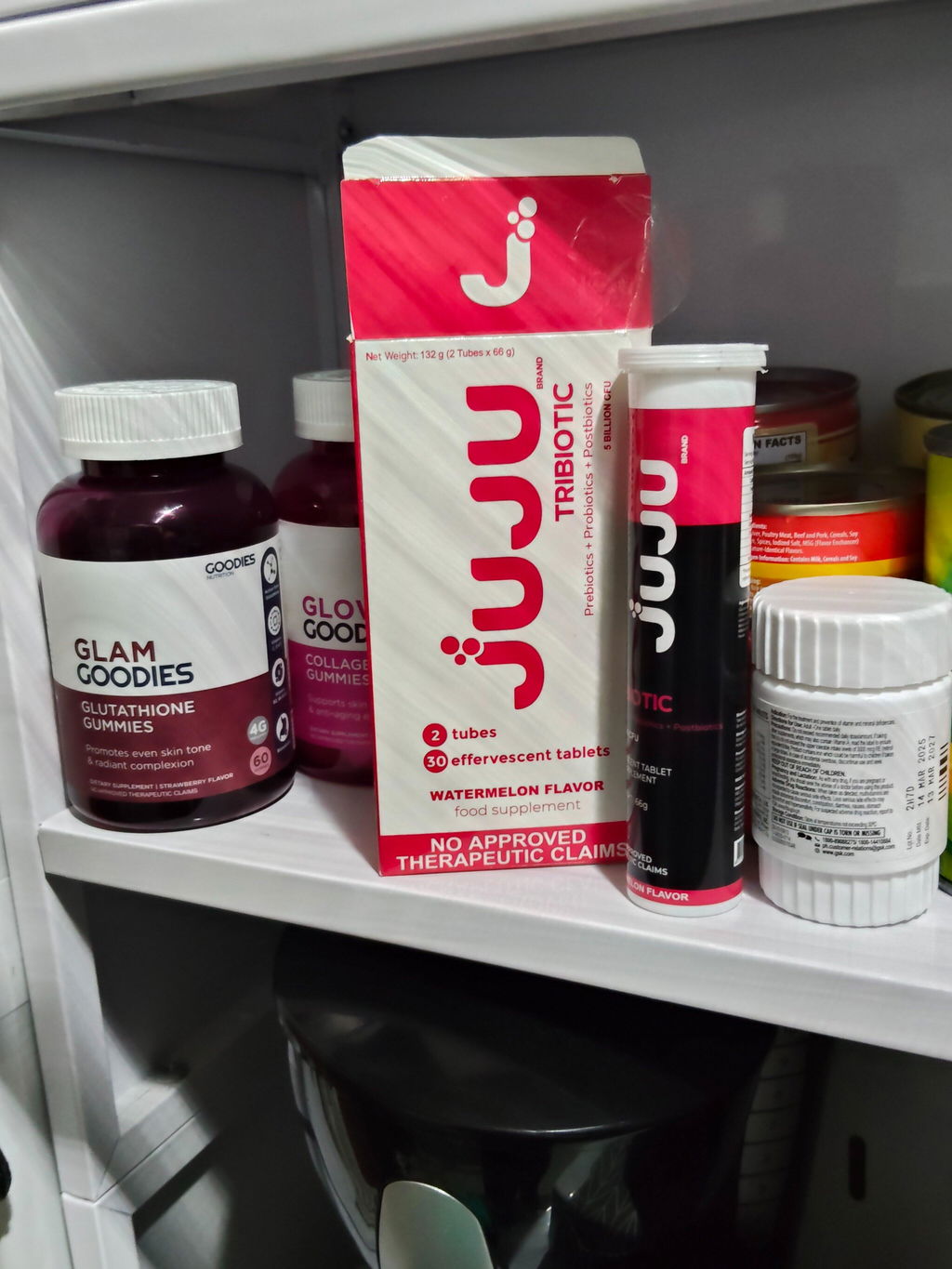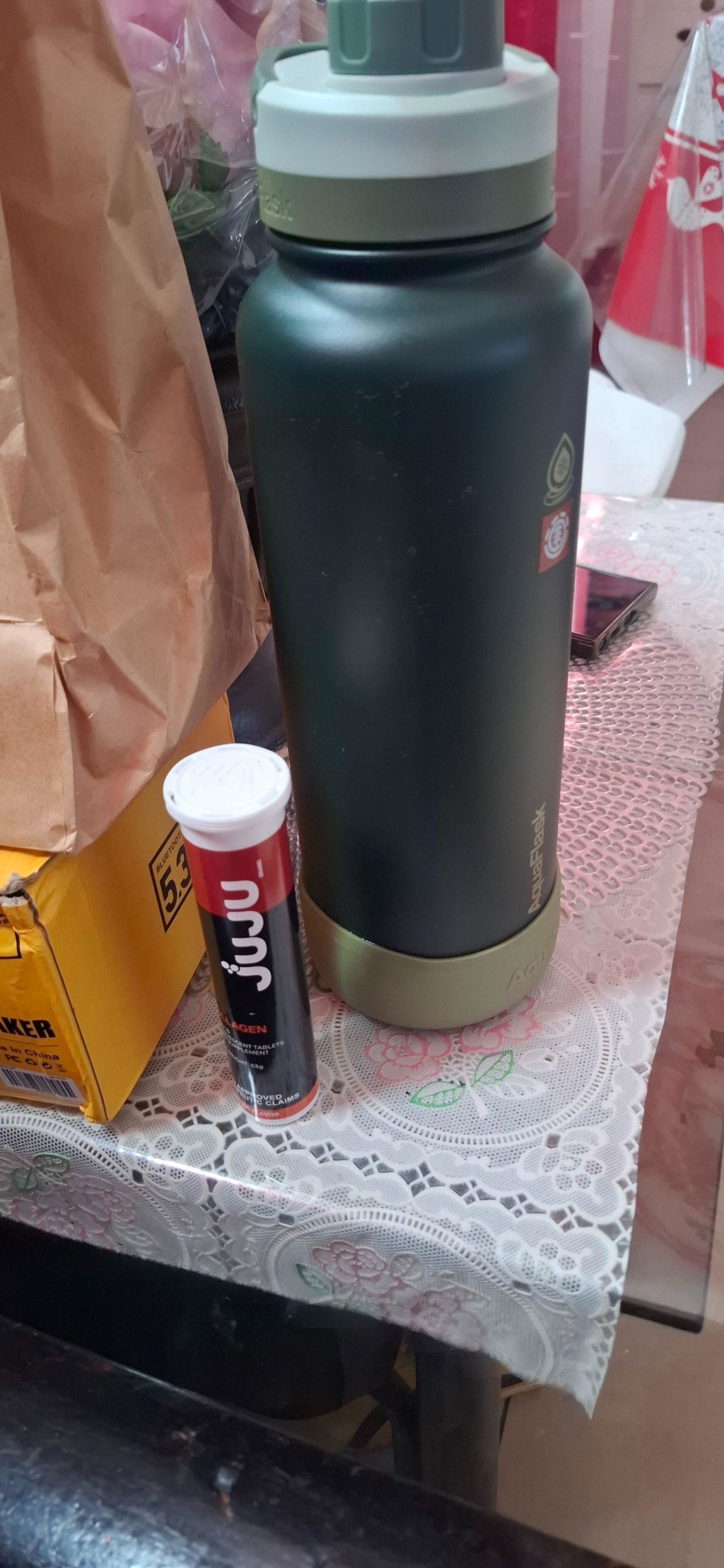
Bloating, irregular bowel movements, and constipation are common digestive concerns. If you're experiencing these symptoms, you may have come across probiotics as a possible way to support your gut health.
But with so many probiotic supplements available in the Philippines, choosing one can be confusing. Different products contain different strains, doses, and combinations—and not every probiotic works the same way.
So, what should you look for when choosing a probiotic?
This guide explains the different types of probiotics, how they may support digestive health, and the factors to consider when looking for the best probiotics in the Philippines.
What Are Probiotics?
Probiotics are live microorganisms that, when consumed in adequate amounts, can provide health benefits.
Some probiotics are bacteria, while others are yeasts. They can be found in fermented foods and dietary supplements.
Common probiotic groups include Lactobacillus and Bifidobacterium, although there are many different strains within these groups.
Importantly, probiotic benefits can be strain-specific. In other words, two products containing different probiotic strains may have different effects.
That's why simply choosing a product with the highest number of bacteria isn't necessarily the best approach.
How Probiotics May Help With Bloating and Constipation
Your digestive system contains trillions of microorganisms that interact with your body in complex ways. Diet, lifestyle, medications, illness, and other factors can influence this microbial community.
Probiotics may help support a balanced intestinal environment.
Probiotics and bloating
Some research suggests that particular probiotic strains may help reduce certain digestive symptoms, including bloating, in some people.
However, results vary considerably depending on the probiotic strain and the individual.
Bloating can also have many causes, including constipation, food intolerances, eating habits, and certain gastrointestinal conditions. A probiotic shouldn't automatically be considered the solution to persistent bloating.
Probiotics and constipation
Certain probiotic strains have also been studied for their potential effects on bowel movement frequency and stool consistency.
For someone experiencing occasional constipation, probiotics may be one component of a broader approach that includes adequate fluids, dietary fiber, physical activity, and appropriate eating habits.
If constipation is persistent or severe, however, it's better to speak with a healthcare professional rather than relying solely on supplements.
Types of Probiotic Strains to Know
When comparing probiotics in the Philippines, pay attention to the specific strain, not just the general probiotic category.
Lactobacillus
Lactobacillus is a well-known group of probiotic bacteria found in various foods and supplements.
Different Lactobacillus strains have been studied for different health applications, including aspects of digestive health.
Because probiotic effects are strain-specific, check the product label to determine exactly which strain is included.
Bifidobacterium
Bifidobacterium is another major group of bacteria found in the human digestive tract.
Certain Bifidobacterium strains have been investigated for gastrointestinal symptoms and bowel regularity.
Like Lactobacillus, however, the benefits depend on the particular strain and formulation.
Saccharomyces boulardii
Saccharomyces boulardii is a probiotic yeast rather than a bacterium.
It has been studied for several gastrointestinal applications, particularly in relation to diarrhea and antibiotic-associated digestive issues.
Its uses are different from those of probiotics specifically marketed for constipation, so choosing a product should depend on your particular goal.
Multi-strain probiotics
Some supplements combine several probiotic strains in one product.
A multi-strain formula isn't automatically better than a single-strain probiotic. What matters is whether the strains included have evidence supporting the intended use and whether the product provides them in appropriate amounts.
How to Choose the Best Probiotic in the Philippines
Instead of choosing based solely on brand popularity or a high CFU number, consider these factors.
1. Check the specific strains
Look beyond words such as "probiotic blend."
A transparent label should identify the microorganisms included. Some products also list strain designations, which can make it easier to research the evidence behind them.
2. Look at the CFU count
CFU stands for colony-forming units and indicates the number of viable microorganisms in a probiotic product.
A higher CFU doesn't automatically mean better results.
The appropriate amount depends on the particular strain and intended use, so compare products based on the complete formulation rather than CFU alone.
3. Consider storage requirements
Some probiotics require refrigeration, while others are formulated to remain stable at room temperature.
This is particularly relevant in the Philippines, where warm and humid conditions can affect how some products are stored.
Always follow the manufacturer's storage instructions.
4. Check the other ingredients
Read the complete supplement label.
If you have food allergies, intolerances, or dietary restrictions, check for ingredients such as dairy, soy, gluten, sweeteners, or other additives that may be included in the formulation.
5. Buy from a reputable seller
When shopping for probiotics online, purchase from established retailers or authorized sellers whenever possible.
Check the packaging, expiration date, product information, and applicable Philippine regulatory details.
Avoid products with unclear labeling or unrealistic health claims.
How to Take Probiotics
Follow the directions provided on the product label.
Some probiotics are recommended with food, while others may be taken before or between meals. There isn't one universal schedule that applies to every probiotic product.
Consistency may also matter. If you're trying a probiotic, give it an appropriate amount of time according to the product's directions and pay attention to how your body responds.
It's also useful to remember that probiotics work best as part of an overall healthy lifestyle—not as a replacement for a balanced diet, adequate hydration, fiber, sleep, or physical activity.
Possible Side Effects
Some people experience temporary digestive symptoms after starting a probiotic, such as:
- Gas
- Bloating
- Changes in bowel movements
- Mild abdominal discomfort
These symptoms may settle as your digestive system adjusts.
However, probiotics aren't appropriate for everyone. People with certain serious underlying illnesses or significantly weakened immune systems should discuss probiotic use with a healthcare professional before taking them.
When Should You See a Doctor?
Bloating or constipation can sometimes indicate an underlying medical condition.
Speak with a healthcare professional if symptoms are persistent, severe, worsening, or interfering with your daily life.
Seek medical attention promptly if digestive symptoms occur alongside concerning signs such as significant abdominal pain, vomiting, blood in the stool, unexplained weight loss, or other unusual symptoms.
A supplement should not delay medical evaluation when symptoms require professional attention.
Frequently Asked Questions
What is the best probiotic for bloating?
There isn't one probiotic that is best for everyone with bloating. Evidence varies by strain, and the cause of bloating also matters. Look for products that clearly identify their probiotic strains and consider discussing persistent symptoms with a healthcare professional.
Are probiotics good for constipation?
Some probiotic strains have been studied for constipation and may support bowel regularity in certain people. Results vary, so probiotics should be viewed as one possible part of a broader digestive-health strategy.
How many CFUs should a probiotic have?
There is no single CFU number that is ideal for every probiotic. The appropriate amount depends on the specific strain, formulation, and intended use. A higher CFU count doesn't necessarily mean a product will work better.
Can I take probiotics every day?
Many probiotic supplements are designed for daily use when taken according to their label instructions. However, individual needs vary. If you have a medical condition, take medications, or have concerns about ongoing digestive symptoms, consult a healthcare professional.
Do probiotics cause bloating?
Some people experience temporary gas or bloating when they first start taking probiotics. If symptoms are severe, persistent, or worsening, stop and consult a healthcare professional.
Final Thoughts
Finding the best probiotics in the Philippines isn't simply about choosing the product with the highest CFU count or the longest list of bacterial strains.
Instead, look at the specific strains, evidence for the intended use, dosage, storage requirements, ingredients, and product quality.
If your primary concerns are bloating or constipation, remember that these symptoms can have many different causes. A probiotic may support digestive health for some people, but persistent or concerning symptoms deserve professional medical advice.
The right supplement is ultimately one that fits your individual needs and is backed by clear product information and responsible health guidance.