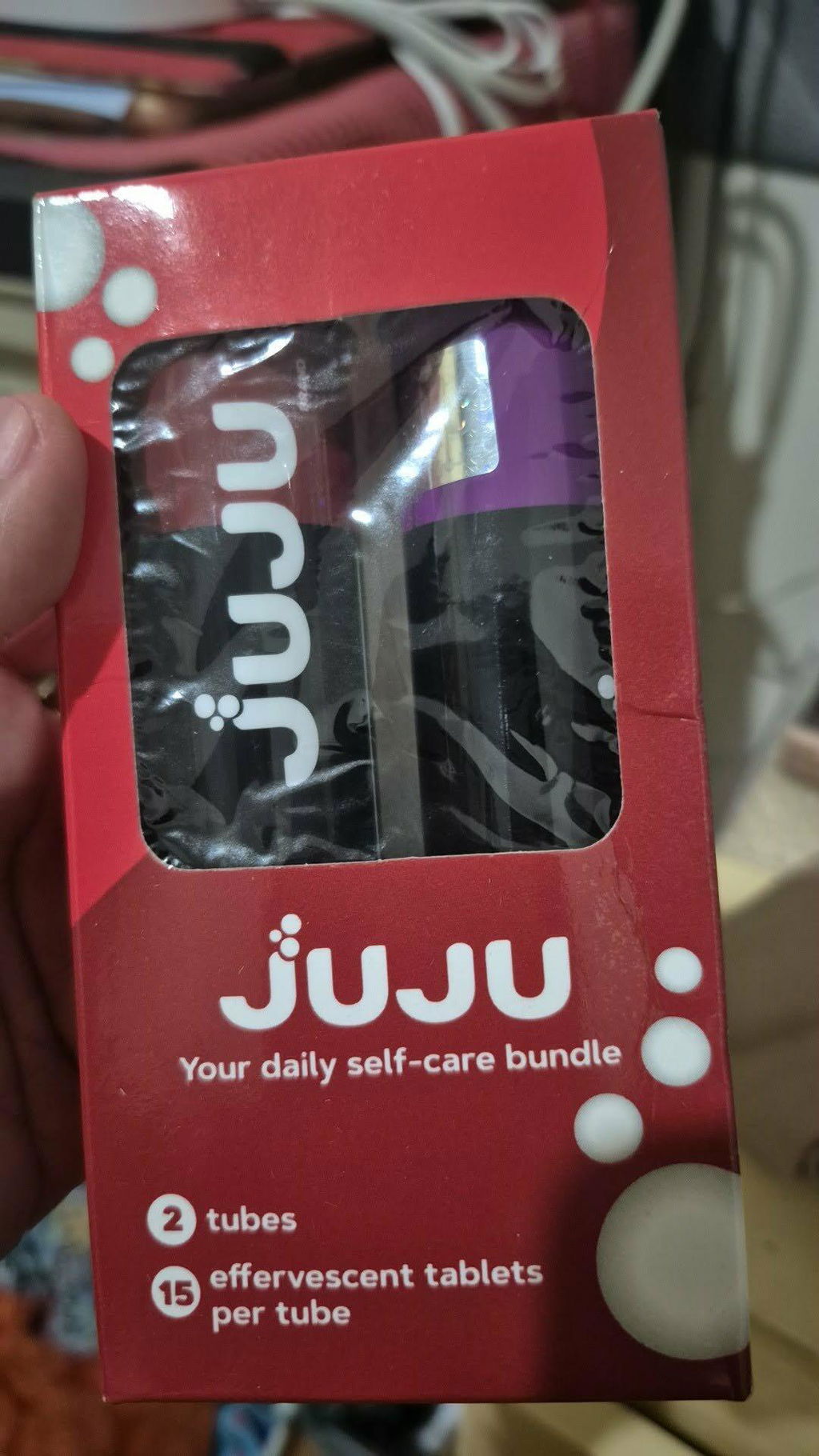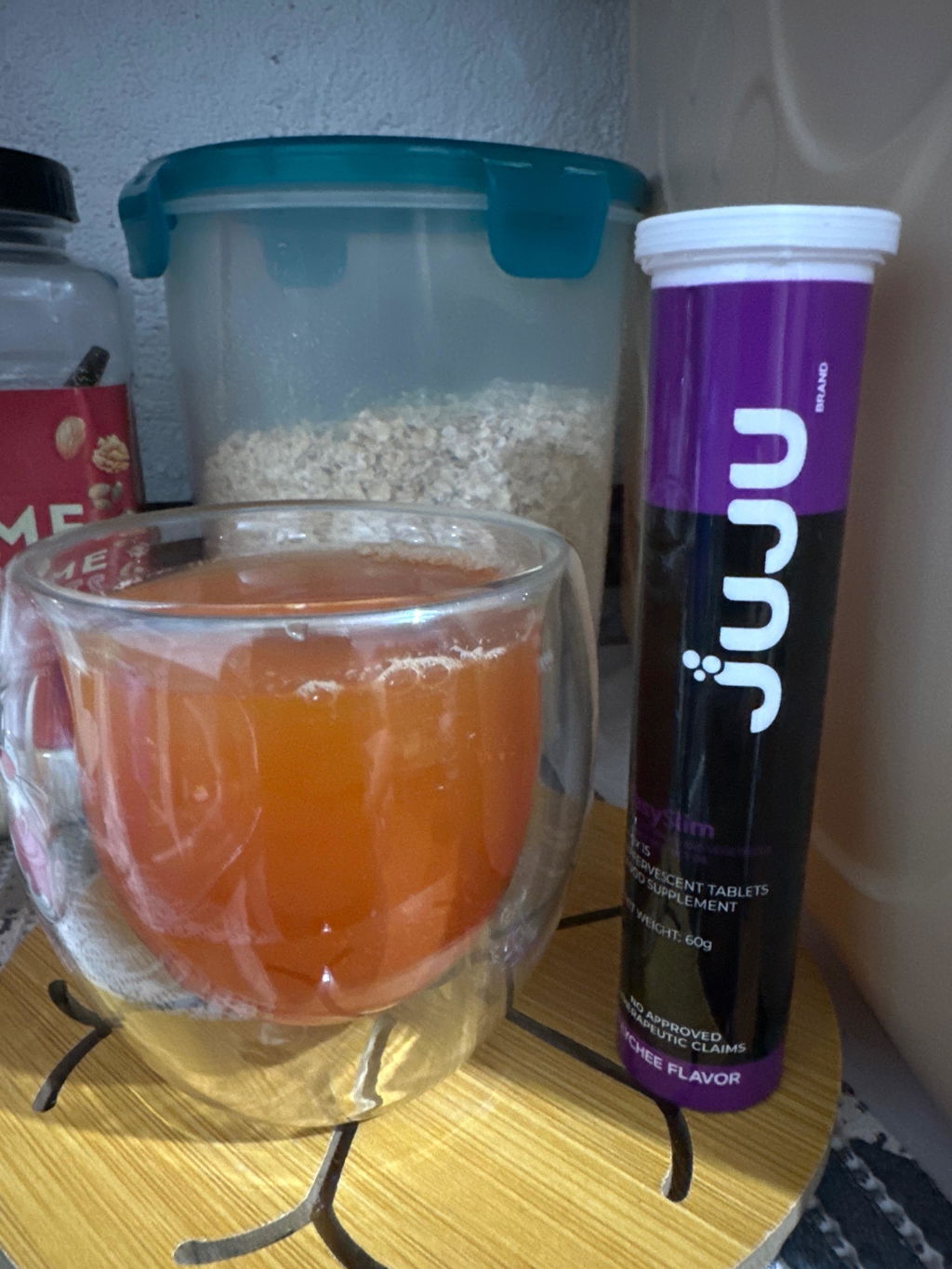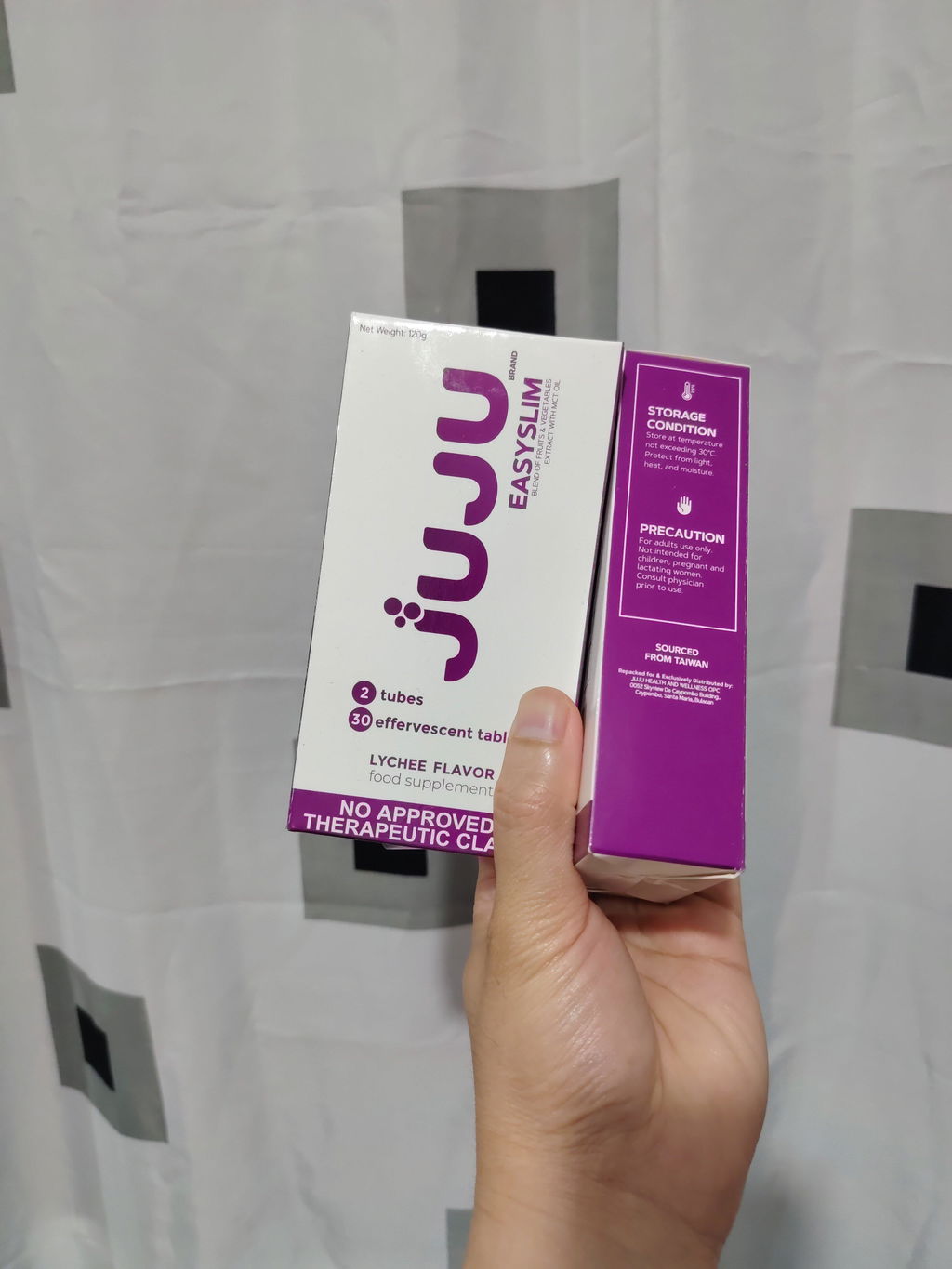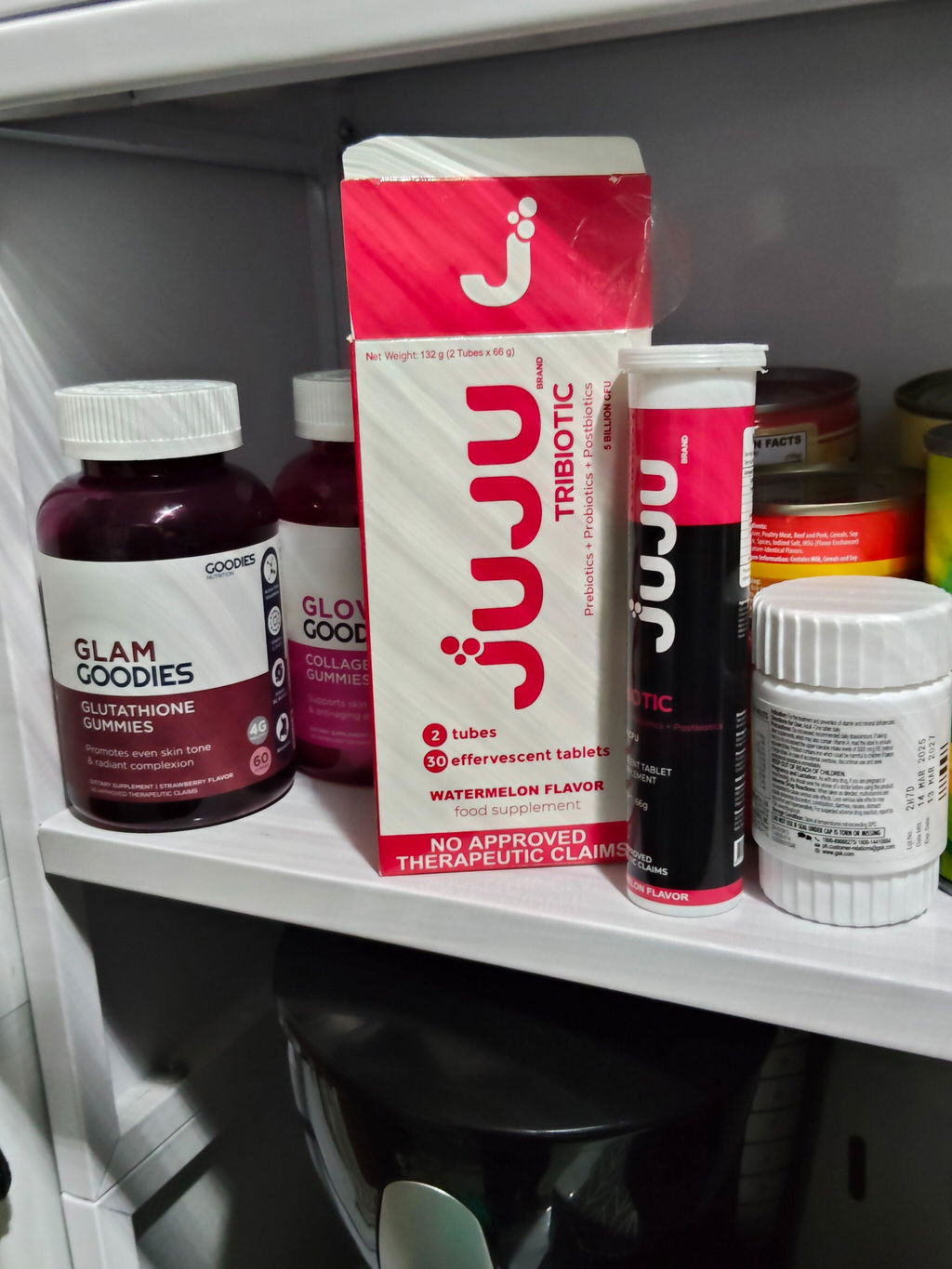
Bloating can be uncomfortable, distracting, and sometimes difficult to manage. That full or swollen feeling may happen after eating, throughout the day, or alongside symptoms such as gas, constipation, or abdominal discomfort.
For people looking for relief, supplements can seem like a convenient option. However, not every supplement for bloating works the same way, and the right choice depends on what may be causing your symptoms.
Some ingredients, including probiotics, fiber, peppermint, ginger, and certain digestive enzymes, have been studied for digestive health. But supplements are not a substitute for identifying an underlying digestive condition.
If you're shopping for supplements for bloating in the Philippines, here's what to consider before adding a product to your routine.
What Causes Bloating?
Bloating is a common digestive symptom and can have several possible causes.
One common reason is excess gas in the digestive tract. Eating too quickly, drinking carbonated beverages, or consuming certain carbohydrate-rich foods can contribute to gas and bloating.
Other possible causes include:
- Constipation
- Food intolerances or sensitivities
- Changes in gut bacteria
- Eating large meals
- Menstrual-related changes
- Certain digestive disorders
For some people, bloating is occasional and temporary. For others, frequent or persistent bloating may warrant a conversation with a healthcare professional.
Because the underlying cause can vary, choosing a supplement based only on the symptom may not always produce the desired results.
Best Supplements for Bloating: Ingredients to Consider
There isn't one universal "best supplement" for everyone experiencing bloating. Instead, it's useful to understand the ingredients commonly found in digestive-health products.
1. Probiotics
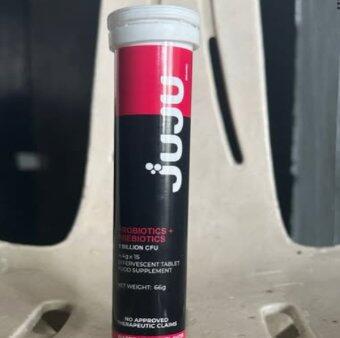
Probiotics are live microorganisms that may support the balance of bacteria in the digestive tract.
Certain probiotic strains have been studied for digestive symptoms, including bloating. However, probiotic effects can vary considerably depending on the strain, dose, and individual.
When comparing probiotic supplements, look beyond the word "probiotic" on the packaging.
Consider checking:
- Specific strains included
- Number of colony-forming units (CFUs)
- Recommended serving size
- Storage requirements
- Expiration date
More CFUs don't automatically mean a product is better. The particular strains and evidence supporting their use are also important.
If you're considering a probiotic for bloating, choose a product with clear labeling rather than relying solely on broad digestive-health claims.
2. Fiber and Prebiotics
Fiber plays an important role in digestive health and regular bowel movements.
If constipation contributes to your bloating, increasing fiber intake may help improve bowel regularity. Prebiotics, meanwhile, are types of dietary components that can be used by beneficial gut microorganisms.
However, there's an important consideration: increasing fiber too quickly can actually cause more gas and bloating.
If you're using a fiber supplement, gradually increasing your intake and drinking enough fluids may be more comfortable than taking a large amount immediately.
People with certain digestive conditions may also need individualized advice about the type and amount of fiber they consume.
3. Peppermint
Peppermint is another ingredient commonly associated with digestive comfort.
Peppermint oil, particularly in enteric-coated formulations, has been studied in people with symptoms associated with irritable bowel syndrome (IBS). Some research suggests it may help with abdominal pain and other digestive symptoms.
However, peppermint isn't suitable for everyone. It may worsen heartburn or reflux symptoms in some people.
This is a good example of why choosing a supplement should involve more than simply looking for an ingredient associated with digestive health.
4. Ginger
Ginger has traditionally been used to support digestion and may be found in supplements, teas, and other products.
Research has examined ginger for several digestive symptoms, including nausea and gastric motility. Its effects on bloating specifically can depend on the underlying cause and the formulation used.
If you're considering ginger, check the product's ingredient list and serving recommendations rather than assuming that a higher dose will provide better results.
5. Digestive Enzymes
Digestive enzymes help break down components of food during digestion.
Some enzyme supplements are designed for specific situations. For example, lactase can help people who have difficulty digesting lactose, the sugar naturally found in milk.
This illustrates an important point: an enzyme supplement may be more relevant when a specific digestive issue has been identified.
Rather than choosing a broad "digestive enzyme" product simply because you're experiencing bloating, consider whether your symptoms are associated with particular foods.
How to Choose a Bloating Supplement in the Philippines
With numerous digestive-health products available online and in stores, comparing supplements can be challenging.
Before purchasing, consider the following factors.
Check the Ingredient List
Look for a complete ingredient list and clearly stated amounts.
Be cautious with products that rely heavily on vague phrases such as "detox," "flat tummy," or "instant debloating" without explaining the ingredients and amounts included.
Look for Clear Product Information
A reputable product should provide information such as:
- Ingredients
- Serving size
- Directions for use
- Expiration date
- Storage instructions
- Manufacturer or distributor information
For products sold in the Philippines, consumers can also check relevant regulatory information and product registration where applicable (FDA).
Consider Your Specific Symptoms
Think about when your bloating occurs.
For example:
- Bloating with constipation: Fiber and adequate hydration may be relevant.
- Bloating after dairy: Lactase may be worth discussing with a healthcare professional.
- Bloating alongside IBS symptoms: Certain probiotic or peppermint-oil products may be considered.
- Bloating after large meals: Eating habits and meal portions may be more important than supplements.
These examples aren't diagnoses. They simply illustrate why the same supplement isn't necessarily appropriate for everyone.
Don't Assume "Natural" Means Risk-Free
Herbal and dietary supplements can have side effects and may interact with medications.
If you're pregnant, breastfeeding, taking medication, managing a chronic condition, or experiencing persistent digestive symptoms, consult a qualified healthcare professional before starting a new supplement.
Supplements vs. Lifestyle Changes for Bloating
Supplements are only one part of digestive health.
Simple habits may also make a difference, depending on the cause of your bloating.
Consider:
- Eating meals more slowly
- Staying adequately hydrated
- Getting regular physical activity
- Avoiding excessive carbonated drinks
- Maintaining regular bowel habits
- Keeping a food and symptom diary
A food diary can be particularly useful if you notice that bloating repeatedly occurs after certain meals.
Instead of immediately eliminating multiple foods, recording what you eat and when symptoms occur can help you identify patterns to discuss with a healthcare professional.
When Should You See a Doctor About Bloating?
Occasional bloating is common, but persistent or severe symptoms shouldn't automatically be treated with supplements.
Speak with a healthcare professional if your bloating is frequent, persistent, severe, or accompanied by other concerning symptoms, such as unexplained weight loss, vomiting, blood in the stool, significant abdominal pain, or changes in bowel habits.
These symptoms can have causes that require proper medical evaluation rather than self-treatment with supplements.
Frequently Asked Questions
What is the best supplement for bloating?
There isn't one supplement that is best for everyone. Depending on the underlying cause, products containing probiotics, fiber, peppermint, ginger, or specific digestive enzymes may be considered.
Do probiotics help with bloating?
Certain probiotic strains may help some people with digestive symptoms, but results vary. When choosing a probiotic, consider the specific strain, dosage, and product quality rather than focusing only on the number of CFUs.
Can fiber supplements make bloating worse?
Yes. Increasing fiber too quickly can cause additional gas and bloating. Gradually increasing fiber and maintaining adequate fluid intake may help reduce this effect.
Are digestive enzymes good for bloating?
Digestive enzymes may be useful in specific situations, such as lactase for people who have difficulty digesting lactose. Their usefulness depends on the underlying digestive issue.
Where can I buy supplements for bloating in the Philippines?
Digestive supplements are available through pharmacies, health stores, and online retailers in the Philippines. When shopping online, check the complete ingredient list, serving instructions, manufacturer information, expiration date, and applicable Philippine regulatory information.
How long does it take for a supplement to help with bloating?
The timeframe varies depending on the ingredient, product, and reason for the bloating. Some products may require consistent use before effects are noticed, while others may be intended for specific situations. Follow the product's directions and avoid exceeding the recommended serving.